Introduction
Free Framer templates are remixed into your own project at no cost; you pay only when you connect a custom domain, which requires a paid Framer plan. That makes them a real way to launch rather than a trial. These are the three free Framer templates we maintain, and what each one is genuinely for.
They are our own templates, so read the recommendations with that in mind. We have said plainly where a free one is the wrong choice.

What Free Actually Covers
Remixing copies the template into your Framer account with everything intact: pages, CMS collections, components and styles. You can edit any of it. Framer's free plan also covers 10 CMS collections and 1,000 pages, which is more headroom than most small sites ever use.
Two limits are worth knowing before you commit. A custom domain needs a paid plan, and the free plan carries 1 GB of bandwidth and is described by Framer as best suited to non commercial use. For a hobby project or a launch you intend to upgrade, neither matters much.
Swiper, for Fintech
Swiper is our free Framer fintech template. It is built for financial products, which means it leads with trust rather than personality: what the product does in plain language, who it is regulated by, and pricing you can reach without talking to anyone.
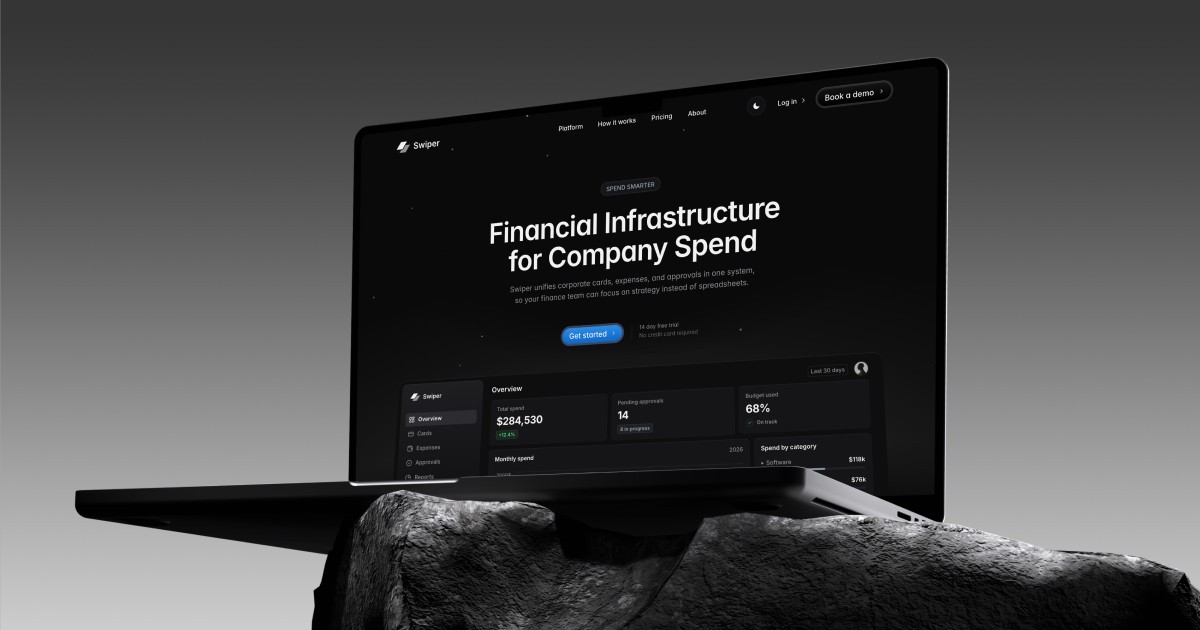
Use it for a payments product, a banking tool, or anything where the visitor's first question is whether you are legitimate. It is the wrong shape for a playful consumer brand, where the restraint reads as cold.
Aromatic, for SaaS Marketing
Aromatic is our free Framer SaaS marketing template, and it follows the order SaaS sites convert on: problem, product, proof, price, signup. The pricing section is built in rather than bolted on, which is the part most free templates skip.
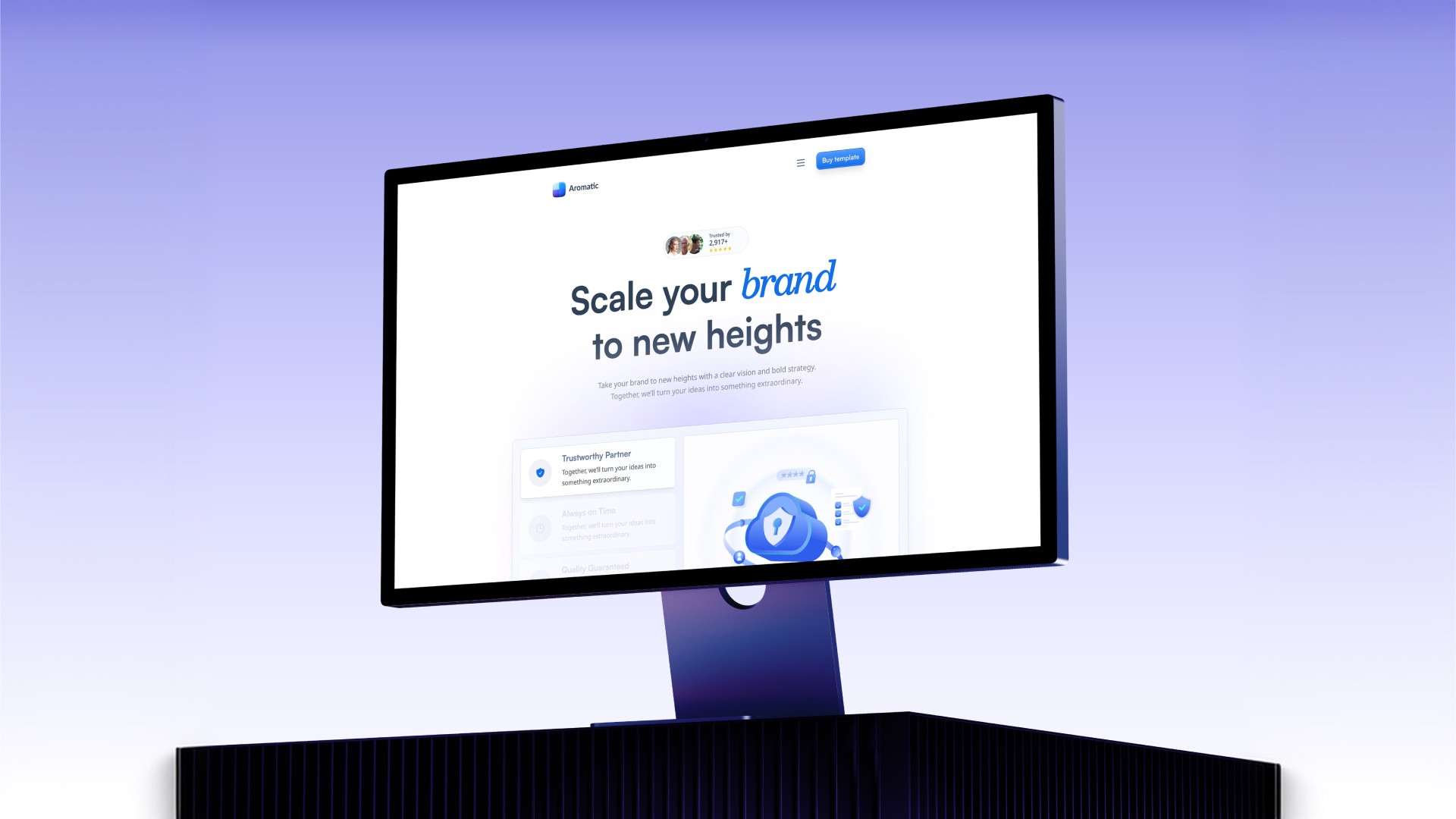
Use it for any product with plans and a signup. If your product is sold through a sales team rather than a signup button, the structure works against you and something enterprise shaped will fit better.
Nordhjem, for Rentals
Nordhjem is our free Framer Airbnb rental template. Direct booking sites have one hard problem, which is earning the trust a platform supplies for free, so it is structured around photography, availability and reviews rather than around a hero statement.
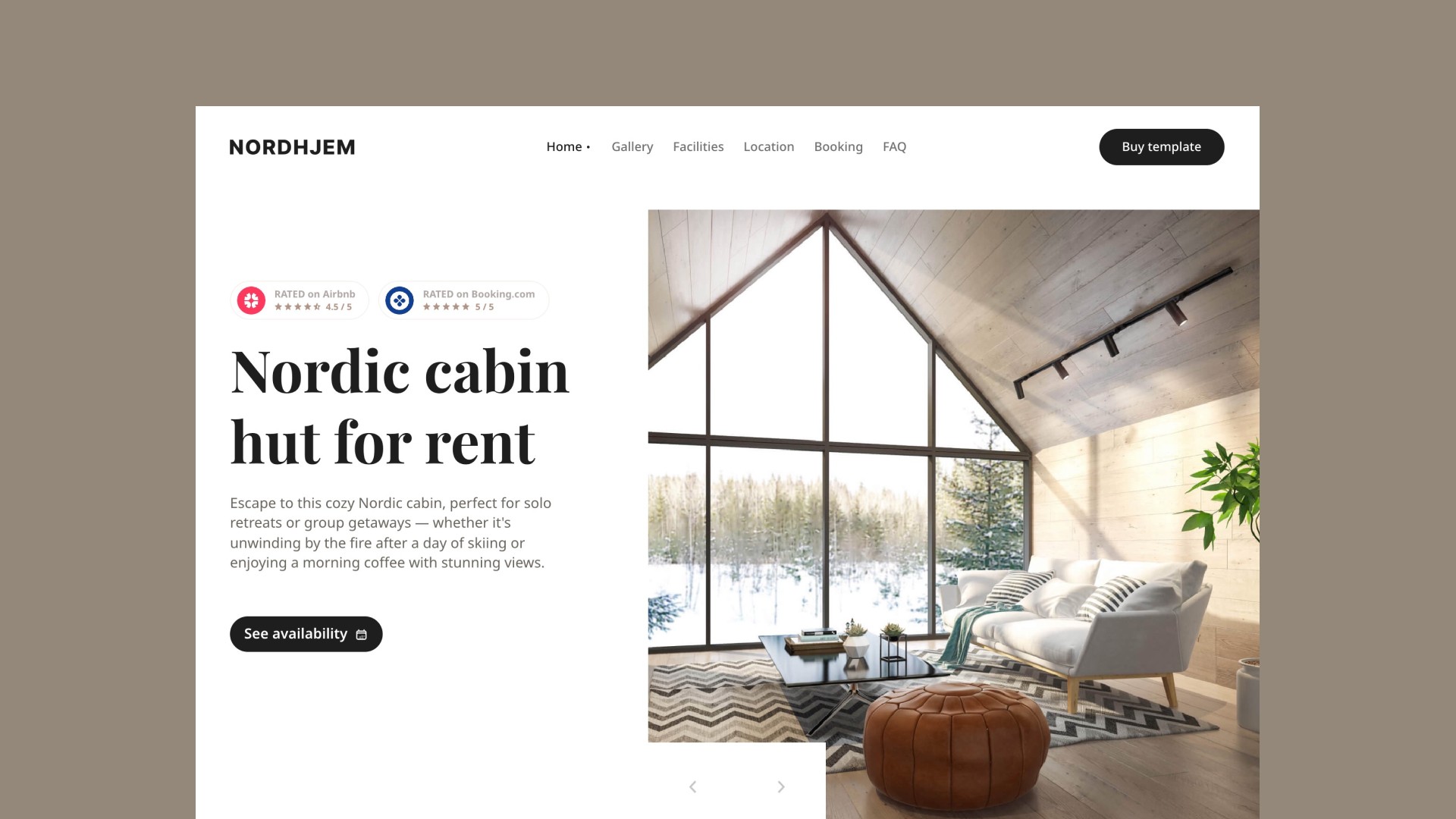
Use it for a single property or a small portfolio of them. For a large inventory with live pricing you will outgrow it quickly, and at that point you want a booking engine rather than a website.
Side by Side

Template | Best for | Skip it when |
|---|---|---|
Swiper | Fintech and financial products | The brand is playful or consumer led |
Aromatic | SaaS with plans and a signup | The product is sold by a sales team |
Nordhjem | One property or a few | Large inventory with live pricing |
When Free Is the Wrong Choice
Free templates cover common shapes. If your business is a portfolio or a beauty clinic, the structure matters more than the saving, and a paid template built for that shape costs less in rebuild time than a free one bent into position.
The test is simple. If you find yourself planning to delete half the sections and add three that are not there, the template is not for your business, and free is not a good enough reason to keep going.
How to Pick One
Remix two of them and put your real content in. Ten minutes with your own copy tells you more than an hour of demo browsing, and remixing costs nothing, so theres no reason to decide from screenshots alone.
If you want the reasoning behind each one, we wrote it up separately: what a fintech website needs, how to structure a SaaS marketing site, and what an Airbnb rental website needs.