The Short Answer
Pick a restrained template if you have strong work and a loud one if you are selling personality. Kierkegaard at $99 and Arpeggio suit studios with real case studies. Method suits portfolios that will grow into an agency site. Fuel is free and won Best Template at the Framer Awards 2025, so start there if you are unsure.
We make one of the templates on this list. The rest we did not, and they are here because a list of one product would waste your time.

Your Portfolio Is Judged by What It Holds
This is the mistake almost every portfolio roundup encourages. Templates are shown empty, so the striking ones win, and then you fill yours with actual work and discover the template is competing with it.
A portfolio site has one job: get someone from your homepage to the belief that you can do the thing they need. Every animation that delays that, and every layout that draws attention to itself, is working against you. The exception is when your personality is the product, which is real for illustrators, motion designers and some creative directors.
So the honest question is not which template looks best. It is whether your work is strong enough to carry a quiet template, or whether you need the template to do some of the arguing.
The Templates Worth Looking At
Split by what they are actually good at, with prices as of 2026:

1. Kierkegaard
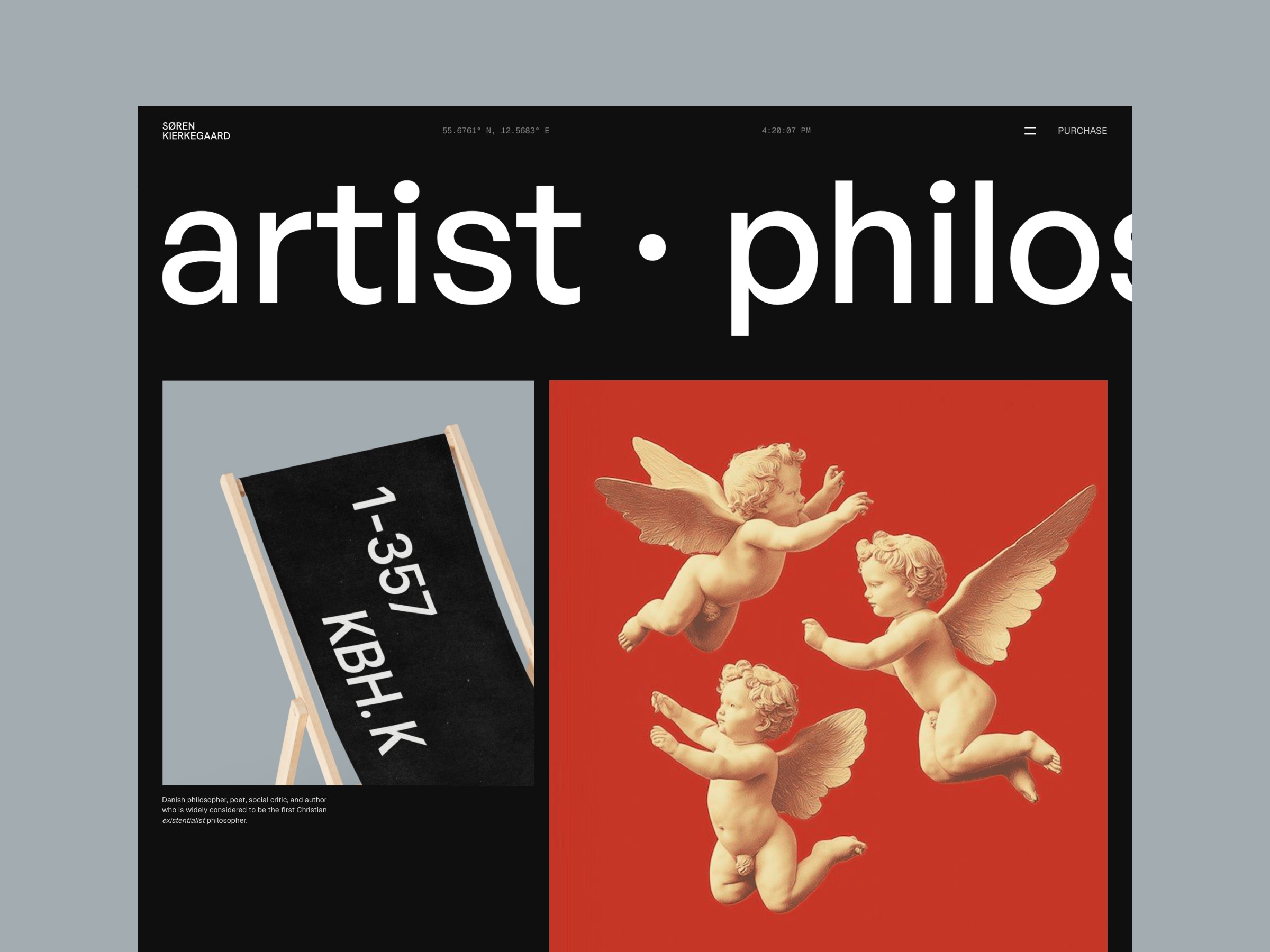
$99, built by us. A restrained Scandinavian layout for boutique studios and agencies, built around a case study CMS rather than a gallery, so client work reads as thinking, not just images. Light and dark theme come as real color styles, not a second page set. Suits a studio with two to six strong projects that would rather look quiet and confident than loud, and needs the site to argue the work is worth hiring, not just display it.
See Kierkegaard on the Framer Marketplace
2. Fuel
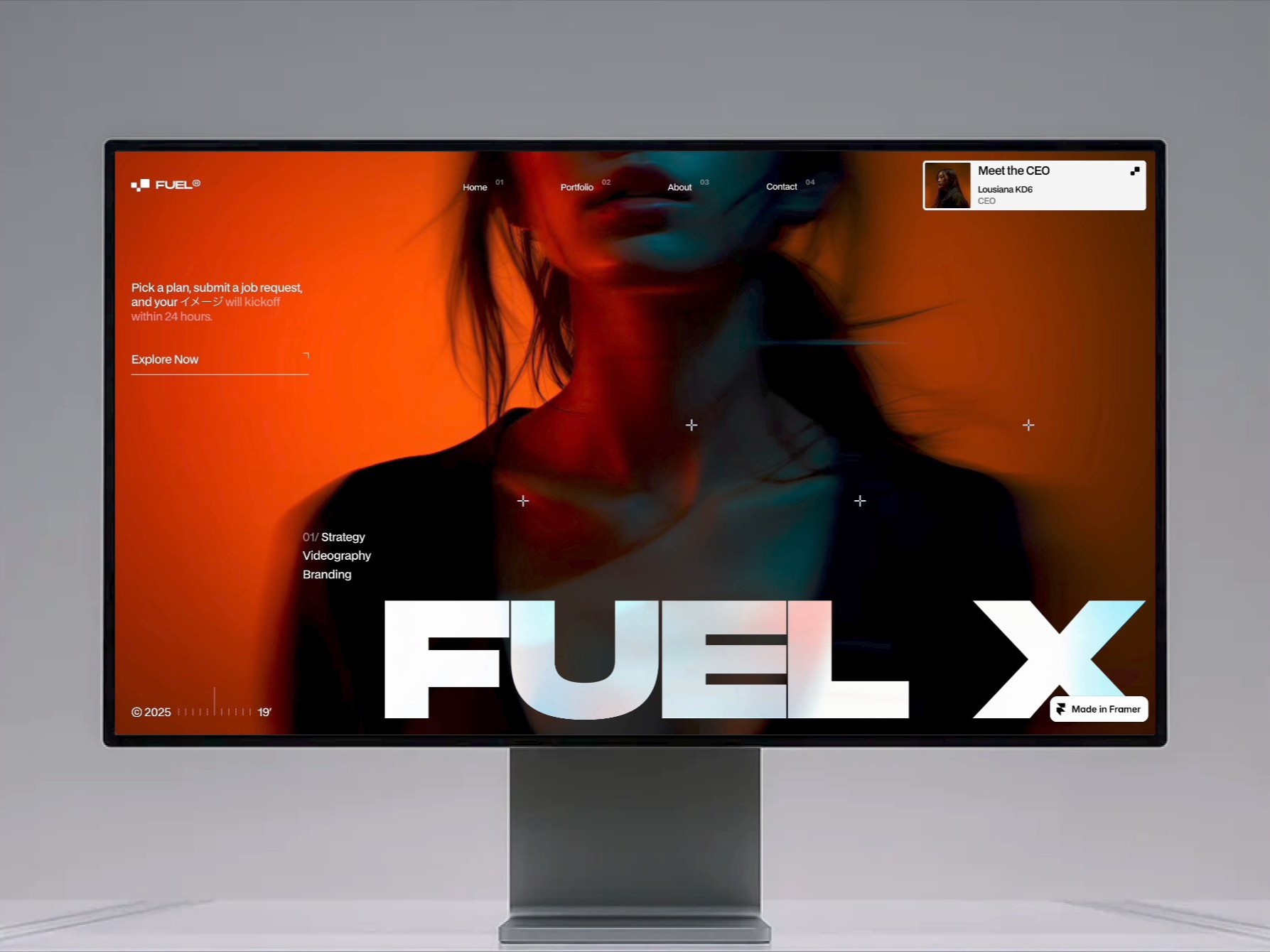
Free, made by Westhill Studio. Restrained and confident, and it won Best Template at the Framer Awards 2025, which is a rare thing for a free template to pull off. The layout gets out of the way of the work rather than competing with it, with generous whitespace and understated type. A good first template if you have not shipped a portfolio before and want to find out whether the site itself changes anything before spending on something paid.
See Fuel on the Framer Marketplace
3. Method
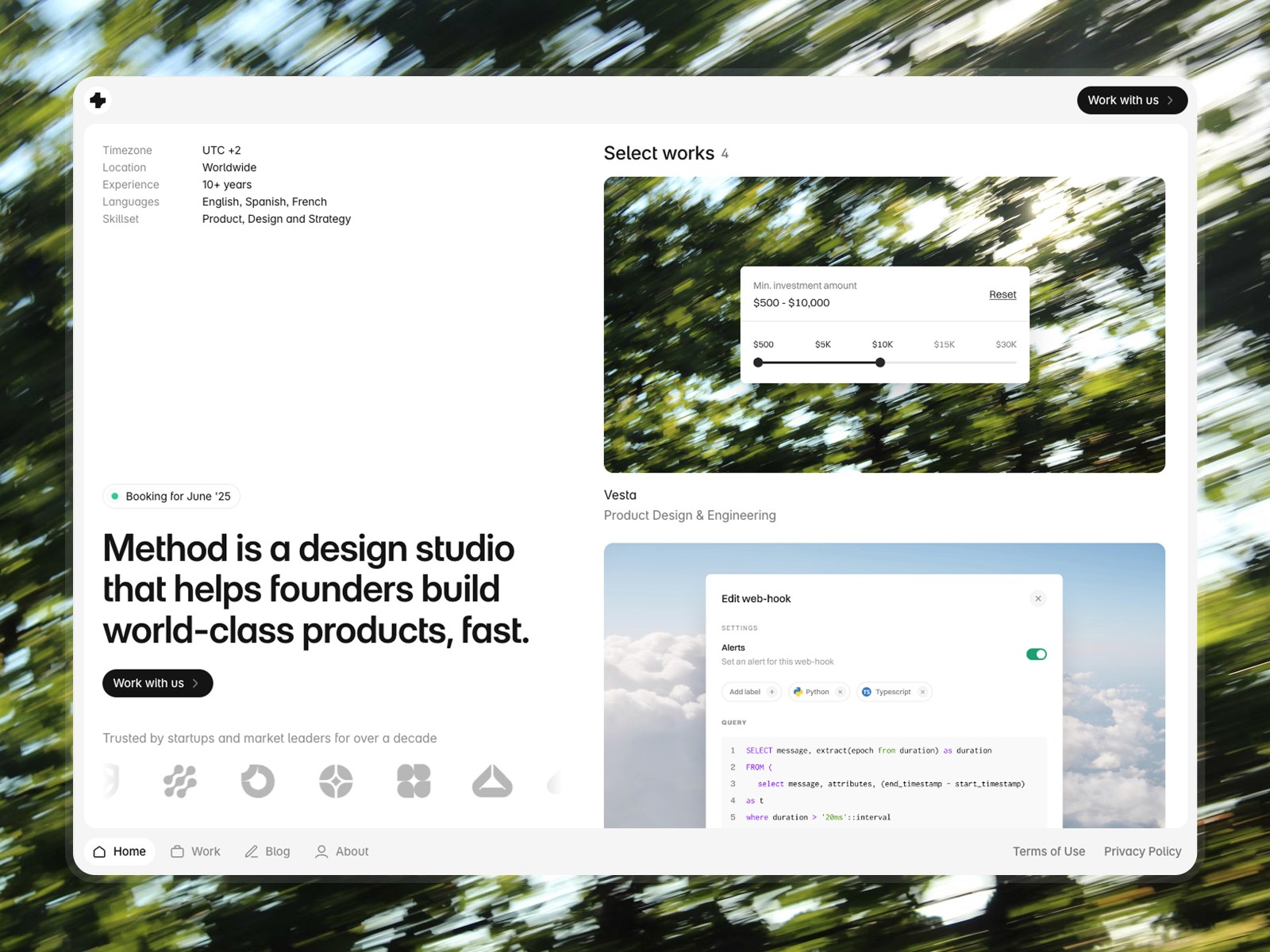
$129, made by Justin Farrugia. Built for portfolios that need to grow into a full agency site, with services pages, a team section and a blog already structured in. Suits a solo designer who expects to hire soon, or one already acting like a small studio. The tradeoff is more structure than a single freelancer strictly needs today, which is the point if you are building for where the business is headed rather than where it is now.
See Method on the Framer Marketplace
4. Arpeggio
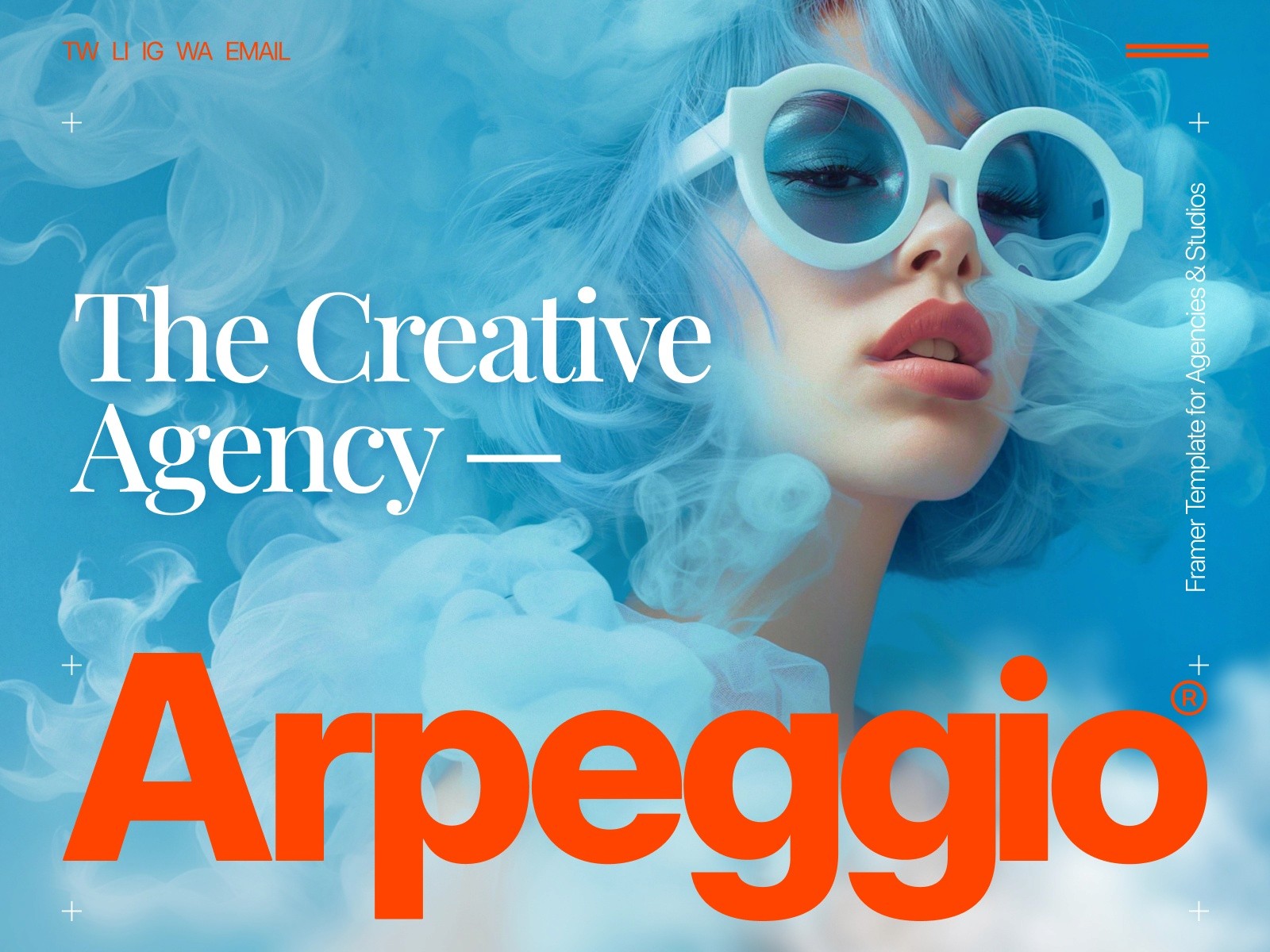
$129, made by Tamas Bodo. Suits digital and creative agencies with case study driven work, built around detailed project pages rather than a simple gallery grid. The visual style is polished and slightly maximalist, with layered imagery and motion that rewards agencies whose work is itself visually rich. Less suited to minimal or text heavy portfolios, since the template wants imagery to fill it.
See Arpeggio on the Framer Marketplace
5. LaunchFolio
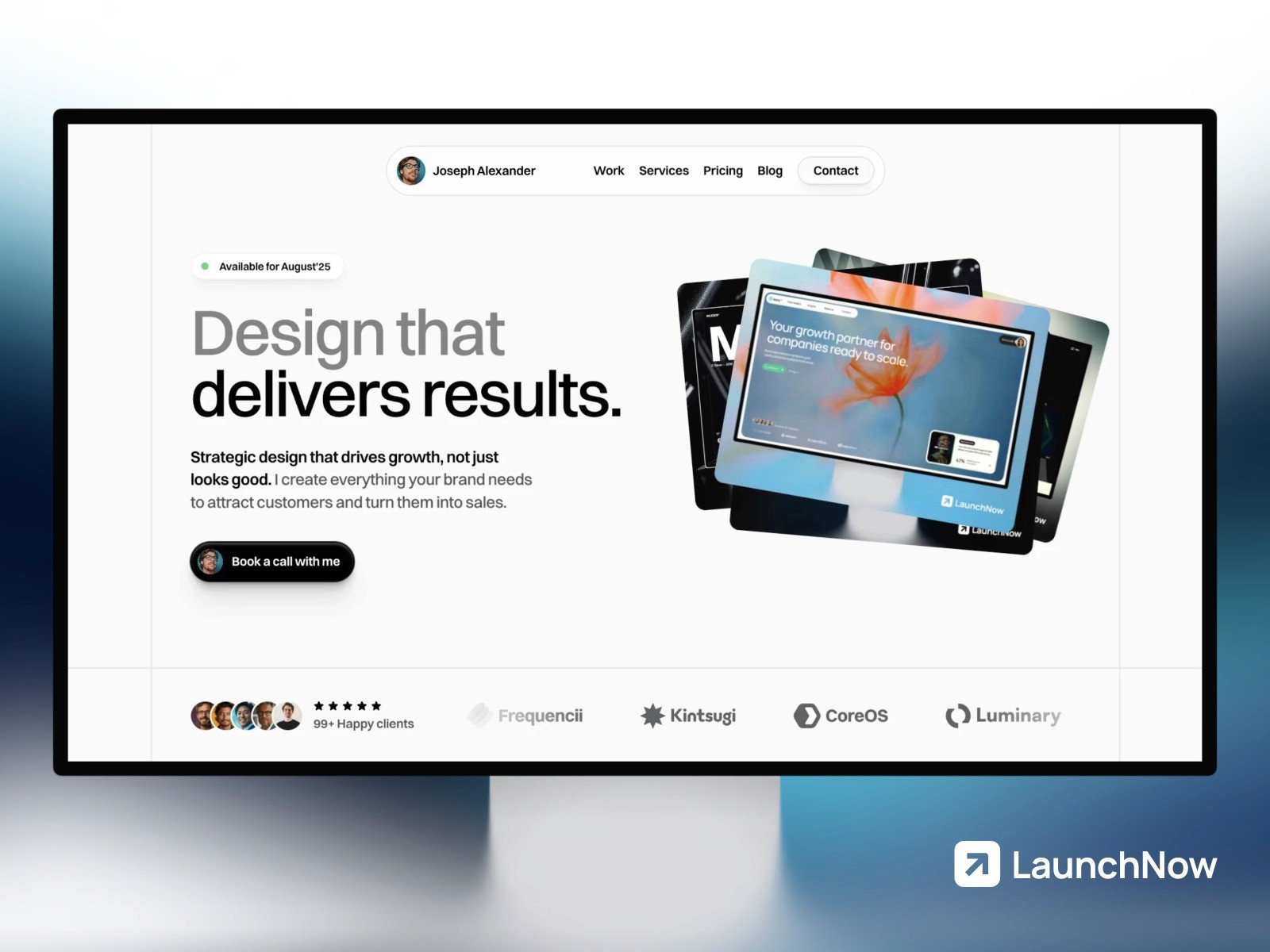
Free, made by Joseph Alexander. A portfolio built as a business tool, with projects, a blog and a quote page, designed around getting hired rather than just being looked at. It includes a pricing and subscription section for ongoing design retainers, a flexible image system for before and after comparisons, and a quote generator that calculates line items automatically. Built for freelance designers who treat their site as a sales tool, not a gallery.
6. Reform
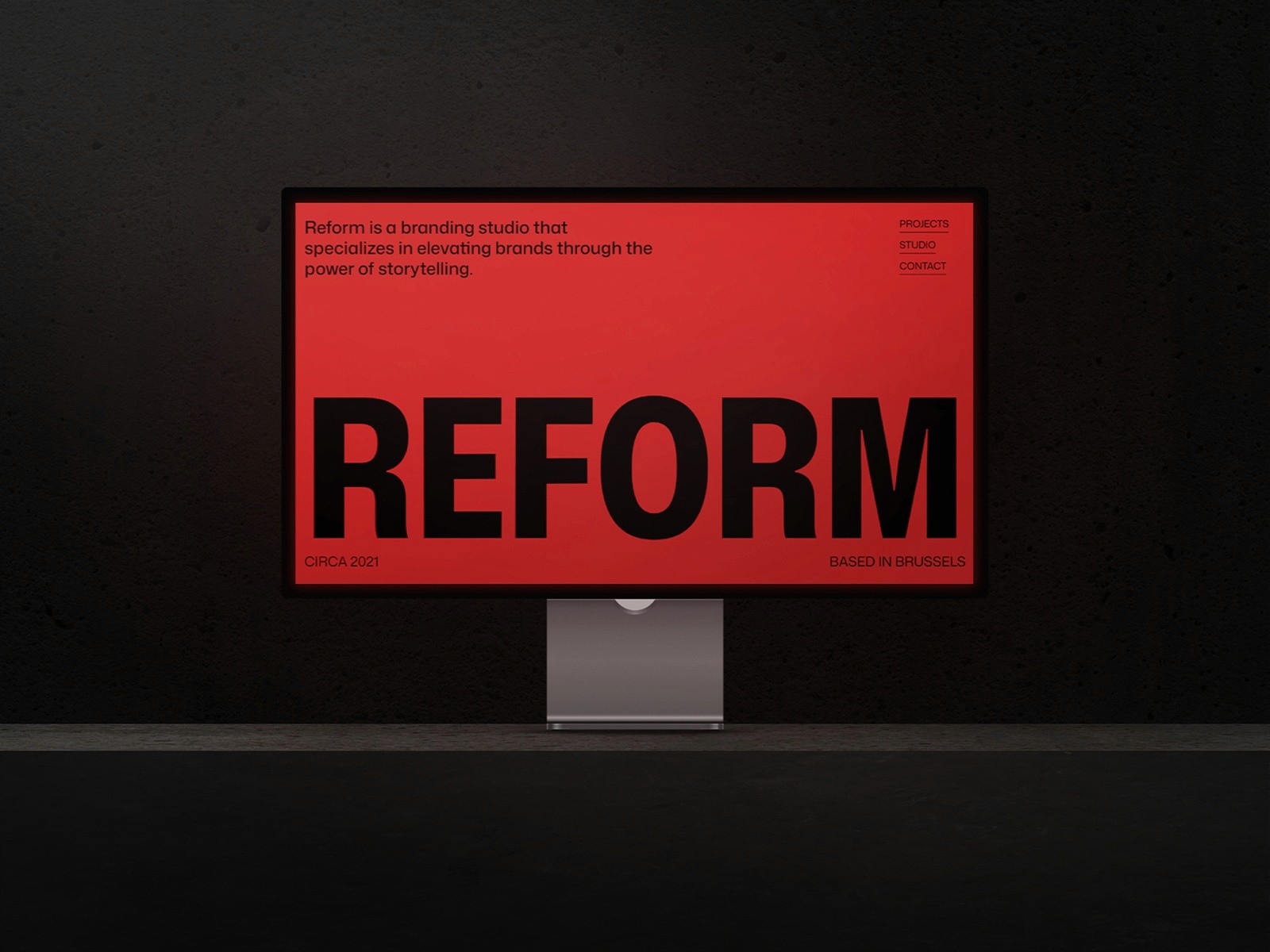
$99, made by Daniel Firstson. Brutalist, for agencies that want to be difficult on purpose: oversized type, high contrast color blocking, and layouts that break the usual grid on intent. It is a strong pick if your studio’s work is itself loud and unconventional, since a quiet template would undersell it. The wrong choice for anyone who wants their site to feel safe or corporate, which is exactly the audience it is not built for.
See Reform on the Framer Marketplace
7. Minfolio
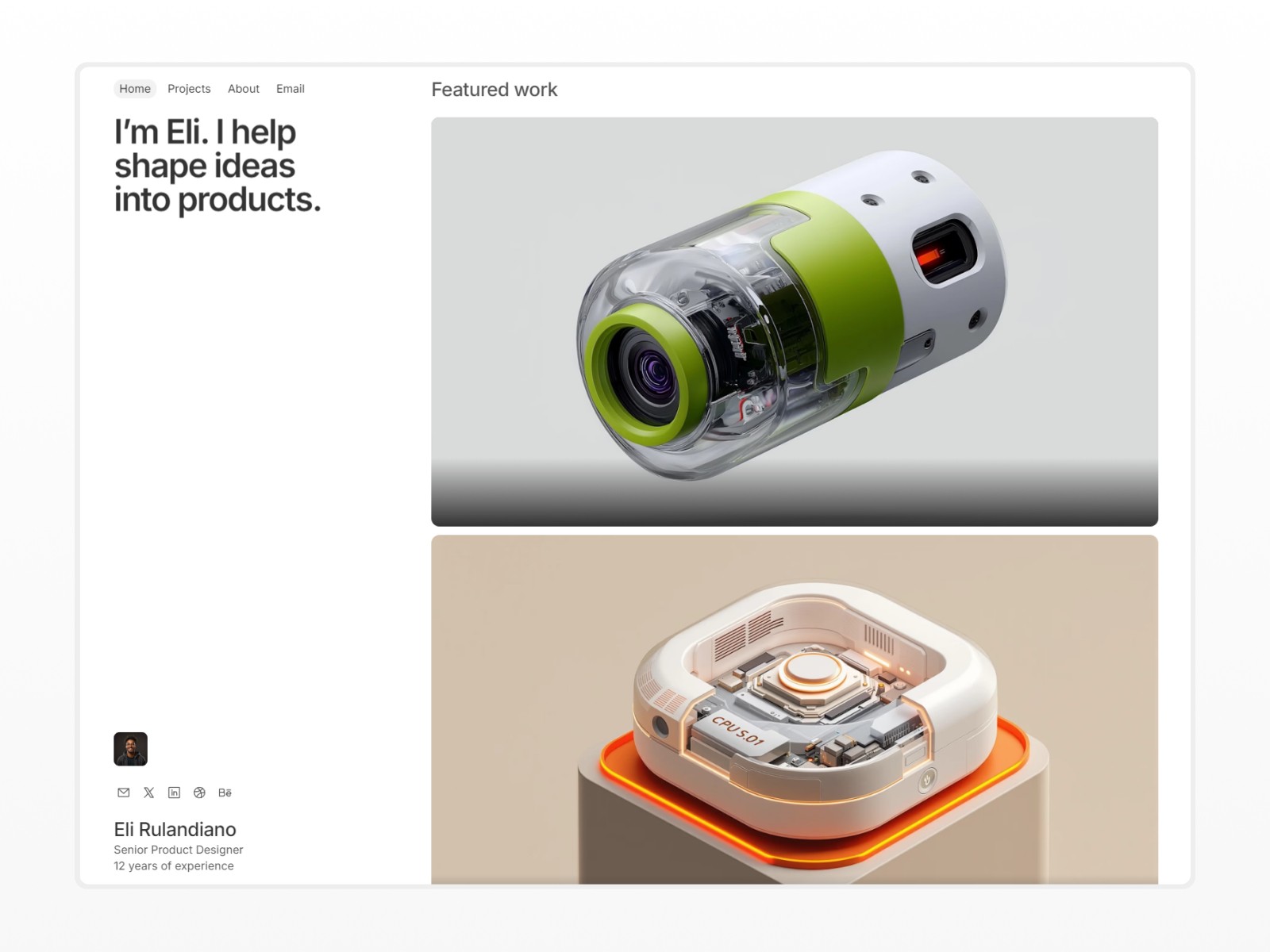
Free, made by Christian Rodriguez. A minimal one page portfolio that puts real project work front and center, with a featured work section built to show actual screens rather than describe them. The bio and contact details sit quietly to the side rather than dominating the page. Suits a product or UI designer who would rather let the work speak than write paragraphs about process.
See Minfolio on the Framer Marketplace
8. Jonas
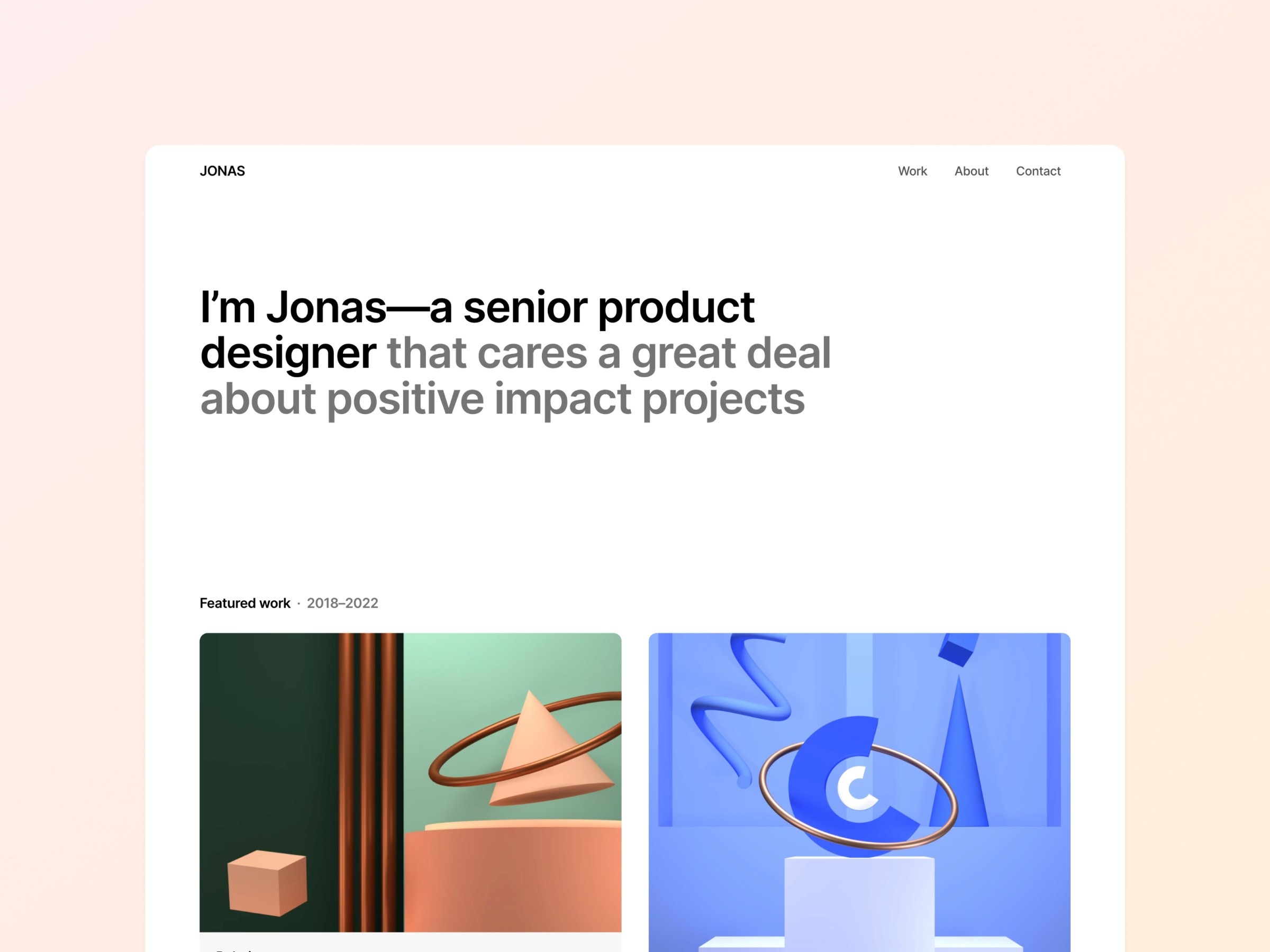
$149, made by Bryn Taylor. A minimal one page portfolio for product and UI designers, built to load fast and get out of the way. Automatic light and dark mode comes built in. Best for a designer with a handful of strong, self explanatory projects and no need for a blog, case study CMS or multi page structure, since the whole site is designed to be read in one scroll.
See Jonas on the Framer Marketplace
Start Free if You Are Not Sure
Fuel costs nothing and won Best Template at the Framer Awards 2025, which makes the usual argument that you get what you pay for hard to run here. It will tell you something useful within a week: whether anybody visits, and whether the people who visit get in touch. A portfolio nobody sees does not become more effective at $129.
LaunchFolio is free too and takes a different line: projects, a blog and a quote page, built to turn enquiries into work rather than to display it. If either works, upgrading later costs you an afternoon of moving content. That is a cheaper mistake than buying a template for a site you abandon.
What Separates a Good Portfolio Template from a Pretty One
Three things, none of which are visible in a preview screenshot:
A case study CMS, not a gallery. Galleries show that you made something. Case studies show that you can think. Clients hire the second one.
Room for words. Many portfolio templates assume enormous images and two sentences. If you write about your process, check the layout survives three paragraphs.
An honest contact path. A contact form buried under a full page of animation loses enquiries from exactly the people who were nearly convinced.
Which One Should You Pick?
Kierkegaard if you run a boutique studio or agency and your work is strong enough to be the loudest thing on the page.
Method if you need the site to carry more of the argument, or you expect the portfolio to grow into a full agency site with services and a blog.
Reform if your personality is genuinely part of what people are buying.
LaunchFolio if you are freelancing and want the site to generate enquiries rather than admiration.
Fuel if you have not shipped a portfolio before and want to find out whether it changes anything without spending anything first.
Everything we build sits on the Pixco templates page.